
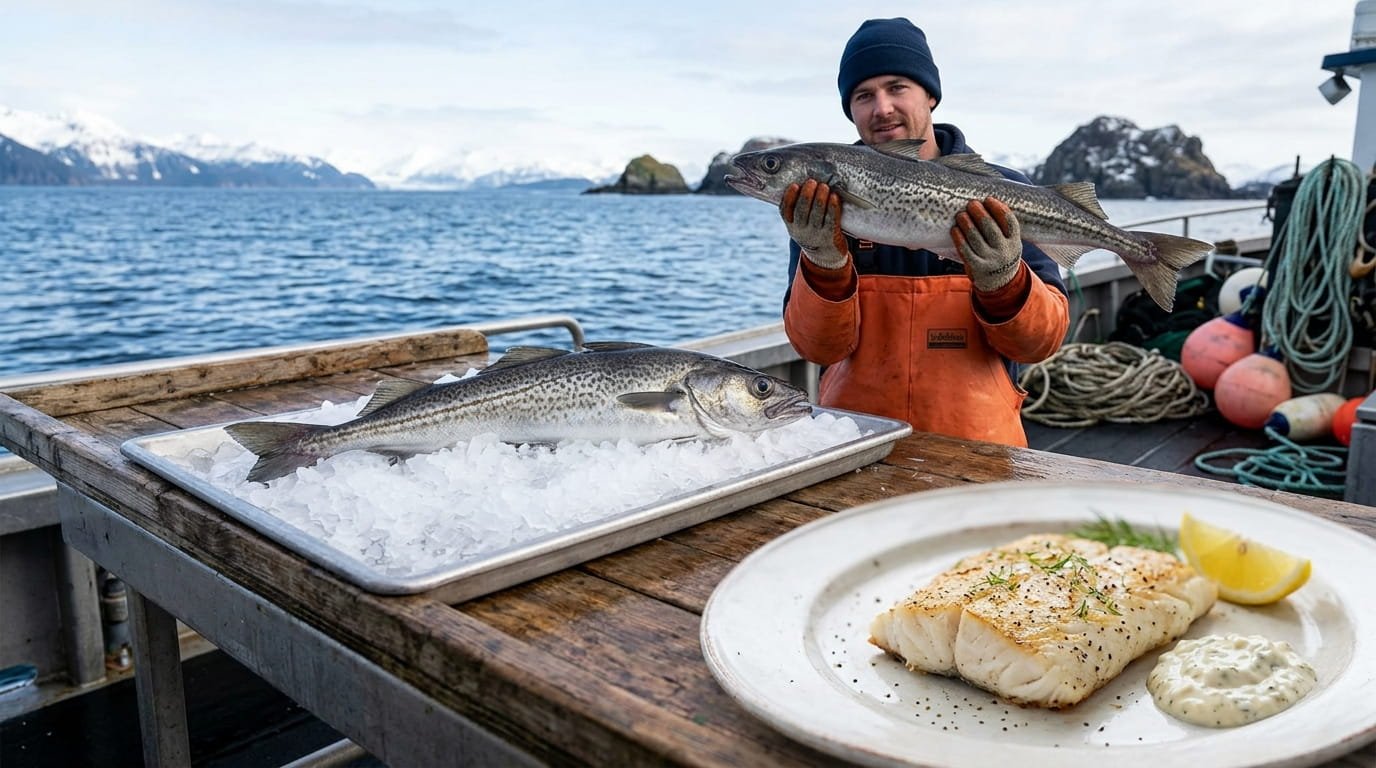
Alaskan Seiti: What It Is, Nutrition, Benefits & Seafood Uses
Alaskan Seiti is one of the most widely consumed seafood fish in modern food markets. People may not recognize the name, but they have likely eaten it in frozen seafood meals, fish sticks, fish sandwiches, and other processed seafood products. In most global markets, Alaskan Seiti refers to Alaska Pollock, a mild white fish known for its soft texture, affordability, versatility, and lean protein content.
As seafood consumption continues growing worldwide, Alaskan Seiti remains popular because of its balanced nutrition, sustainable fishing practices, and easy cooking methods. Families, restaurants, and food manufacturers prefer it because it works well in many recipes while staying budget friendly and beginner friendly.
Table of Contents
What Is Alaskan Seiti?
It is a commercial seafood name often used for Alaska Pollock, a cold-water fish from the cod family. Scientifically called Gadus chalcogrammus, it mainly lives in the cold waters of the North Pacific Ocean and nearby northern seas.
The fish is popular in the seafood industry because of its mild flavor, soft, flaky texture, and wide commercial availability. Unlike stronger seafood varieties, Alaskan Seiti has a gentle taste that suits both seafood lovers and beginners. Restaurants, frozen food companies, and home cooks commonly use it in many seafood recipes.
What is the Natural Habitat of Alaskan Seiti
Alaskan Seiti naturally thrives in cold and deep ocean waters, especially near the Bering Sea and the Gulf of Alaska. These regions provide stable temperatures and nutrient-rich marine ecosystems that help the species grow in large numbers.
Cold ocean waters play an important role in maintaining the fish’s texture and flavor. Because the environment remains clean and naturally cold, the fish develops firm white flesh with a fresh and delicate taste. These conditions also support sustainable seafood harvesting practices that help maintain long-term fish populations.
Why Alaskan Seiti Is Popular in the Global Seafood Industry
One major reason for the global popularity of Alaskan Seiti is its flexibility in food production. The fish adapts well to different cooking methods and processed seafood manufacturing. It can be transformed into frozen fillets, fish sticks, seafood patties, and even Surimi products.
Its affordability also makes it attractive in both retail and foodservice industries. Compared to premium seafood options, it provides a practical balance between price, nutrition, and convenience. This combination allows millions of households to include seafood in their regular diets without high cost.
Nutritional Value of Alaskan Seiti
Alaskan Seiti is widely recognized as a healthy seafood option because it contains high-quality protein while remaining naturally low in saturated fat. It supports balanced diets and works well for people who want lighter meals without sacrificing nutrition.
The fish contains several important nutrients, including:
- Vitamin B12
- Selenium
- Phosphorus
- Protein
- Omega-3 Fatty Acids
These nutrients contribute to energy production, muscle support, immune function, and overall wellness. Although Alaskan Seiti contains less fat than oily fish like Salmon, it still supports heart-healthy eating patterns.
Health Benefits of Alaskan Seiti
People who follow fitness-focused or health-conscious diets often choose Alaskan Seiti because of its lean nutritional profile. The high protein content helps support muscle recovery and daily body function while keeping calorie intake relatively moderate.
Its omega-3 fatty acids may also support:
- Heart health
- Brain function
- Blood circulation
- Cognitive performance
- Immune system health
Because the fish is naturally mild and easy to digest, many families also include it in meals for children and older adults.
Culinary Uses of Alaskan Seiti
Alaskan Seiti works well in a wide variety of seafood recipes because its flavor absorbs herbs, spices, marinades, and sauces easily. The fish cooks quickly and adapts to both simple home meals and professional kitchen preparation.
Popular cooking methods include:
- Baking
- Grilling
- Frying
- Steaming
- Poaching
It is commonly used in fish tacos, sandwiches, seafood soups, rice dishes, curries, and oven-baked seafood recipes. Its flaky texture makes it easy to serve while maintaining a soft and pleasant bite.
Why Processed Seafood Industries Use Alaskan Seiti
The global seafood industry depends heavily on Alaskan Seiti because it performs exceptionally well in large-scale food production. The fish separates easily during processing and maintains quality after freezing, making it ideal for commercial seafood manufacturing.
Many processed seafood products commonly include:
- Fish Sticks
- Breaded seafood fillets
- Frozen seafood meals
- Fast-food fish sandwiches
- Imitation Crab
Its clean flavor and stable texture make it especially important in surimi production, where seafood manufacturers create imitation crab and related products.
Sustainability and Responsible Fishing
Sustainability has become a major topic in modern seafood discussions, and Alaskan Seiti often appears as an example of responsible fishery management. Fisheries operating in Alaska follow strict regulations designed to protect marine ecosystems and maintain healthy fish populations.
Responsible fishing practices include:
- Controlled catch limits
- Scientific population monitoring
- Sustainable harvesting systems
- Environmental protection standards
These efforts help ensure that seafood resources remain available for future generations while supporting global seafood demand responsibly.
Alaskan Seiti vs Other White Fish
Many consumers compare this Alaskan Seiti with other white fish species such as cod, haddock, and tilapia. Compared to cod, it usually has a lighter texture and milder flavor while remaining more affordable in many markets. Unlike tilapia, which is commonly farm-raised in freshwater environments, it comes from cold ocean waters.
This balance of affordability, nutrition, and culinary flexibility makes it one of the most practical seafood choices available today.
Why Alaskan Seiti Continues to Grow in Demand
Modern consumers want food that is convenient, nutritious, and affordable at the same time. Alaskan Seiti fits these needs perfectly because it is easy to cook, works in quick meals, and still provides valuable nutrients with a mild seafood flavor.
Its growing popularity is also connected to several modern food trends, including:
- Rising seafood consumption
- Growing interest in lean protein
- Higher demand for sustainable seafood
- Expansion of frozen food markets
- Growth of global seafood trade
As healthy eating habits continue influencing food choices around the world, Alaskan Seiti remains an important part of the modern seafood industry.
Conclusion
Alaskan Seiti is no longer just another commercial white fish. Around the world, people know it as Alaska Pollock, and it has become a major part of modern seafood culture because of its mild flavor, good nutritional value, affordable price, and adaptability in different recipes.
From frozen seafood meals and fish sandwiches to simple home-cooked healthy recipes, Alaskan Seiti continues to grow in popularity as more people look for practical and sustainable seafood options. Its lean protein, culinary flexibility, and responsible sourcing make it a reliable seafood choice for families, restaurants, and everyday meals.
FAQs
What is Alaskan Seiti?
Alaskan Seiti is a commercial seafood name commonly used for Alaska Pollock, a mild white fish from the North Pacific Ocean.
Is Alaskan Seiti healthy?
Yes. Alaskan Seiti is high in protein, low in saturated fat, and contains important nutrients such as vitamin B12, selenium, and omega-3 fatty acids.
What does Alaskan Seiti taste like?
It has a mild, clean, and slightly sweet seafood flavor with a soft, flaky texture.
Is Alaskan Seiti the same as cod?
No. Alaskan Seiti and cod belong to the same family but are different fish species with unique commercial identities.
What foods are made from Alaskan Seiti?
Alaskan Seiti is commonly used in fish sticks, frozen fillets, seafood sandwiches, surimi products, and imitation crab.
Is Alaskan Seiti sustainable?
Yes. Many Alaskan fisheries follow strict sustainability and fishery management regulations designed to protect marine ecosystems and fish populations.