
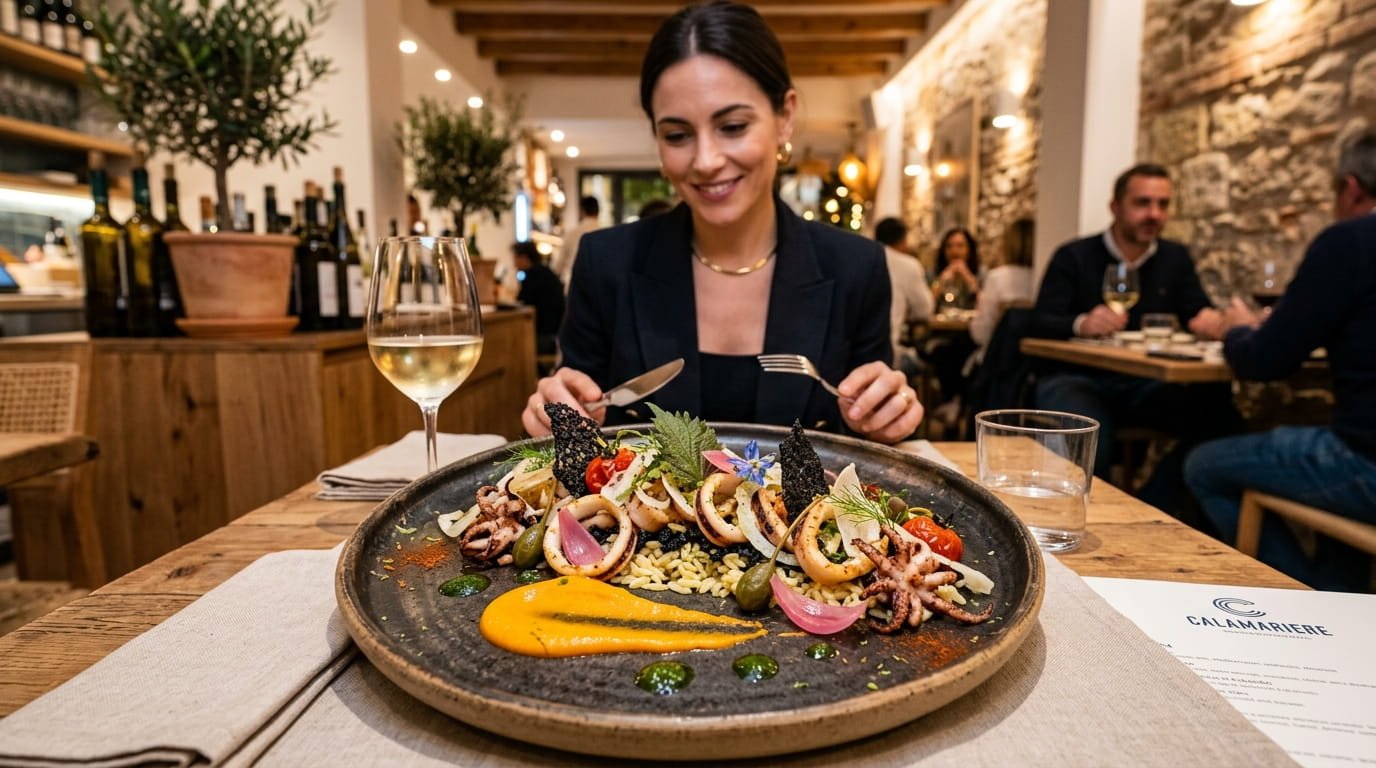
What Is Calamariere? Seafood Philosophy & Mediterranean Cooking
Calamariere is an emerging culinary term connected to squid cuisine, Mediterranean food culture, and modern gastronomy. Many people first associate it with calamari, but the concept goes far beyond a simple seafood dish. Calamariere represents a refined approach to squid preparation that focuses on freshness, texture, balance, and culinary creativity.
As global food culture continues to support authentic regional cooking, terms like Calamariere are becoming popular online. Chefs, food writers, and seafood enthusiasts use it to describe a more creative and thoughtful style of calamari-based cuisine. Instead of describing one specific recipe, Calamariere represents a wider culinary philosophy influenced by Mediterranean traditions, coastal lifestyles, and modern dining trends.
Table of Contents
What Does Calamariere Mean?
Calamariere is usually seen as a modern culinary concept inspired by calamari and Mediterranean seafood preparation. The term often describes a cooking style that focuses on craftsmanship, high-quality ingredients, and balanced flavor instead of heavy seasoning or too much processing.
Unlike traditional food terms, Calamariere does not have one fixed meaning. Its flexibility allows chefs, restaurants, and food creators to use the concept in different ways while keeping squid and seafood culture at the center. Some use it for refined squid dishes, while others connect it with seafood artistry, presentation, and modern gastronomy.
This changing meaning helps Calamariere stand out in digital food culture, where originality and storytelling play an important role in culinary branding.
What is the Background of Calamariere?
The word Calamariere seems to come from “calamari,” the Italian word for squid. The added ending gives the keyword a more refined and descriptive tone, making it feel connected to identity, style, or expertise instead of just an ingredient.
Mediterranean languages often develop food terminology through regional cooking traditions, family recipes, and cultural influence. Calamariere follows the same pattern. It has an artisanal feel that reflects seafood craftsmanship, culinary heritage, and coastal cooking culture.
Even though the term is not officially listed in traditional culinary dictionaries, its growing online usage shows how digital language continues to shape modern gastronomy and food vocabulary.
Mediterranean Influence on Calamariere
Mediterranean cuisine strongly influences the identity of Calamariere. Coastal communities across Italy, Greece, Spain, and other Mediterranean regions have cooked squid for generations using fresh ingredients and simple cooking techniques.
Traditional Mediterranean seafood cooking commonly uses:
- Olive oil
- Garlic
- Lemon
- Tomatoes
- Fresh herbs
- Sea salt
- Light seasoning
These ingredients improve natural seafood flavor instead of covering it. Calamariere follows the same philosophy by focusing on balance, freshness, and texture.
In southern Mediterranean regions, squid dishes often include tomato-based sauces and herbs. Island communities usually prefer citrus, olive oil, and grilled seafood flavors. Northern coastal regions sometimes use wine reductions and aromatic spices. These regional differences help shape the flexible identity of Calamariere.
Calamariere as a Culinary Technique
At its core, Calamariere focuses on proper squid preparation and cooking precision. Squid is delicate and highly sensitive to cooking time. If cooked incorrectly, it quickly becomes rubbery and loses its natural tenderness.
The Calamariere approach prioritizes:
- Careful seafood handling
- Precise cooking temperatures
- Balanced seasoning
- Clean presentation
- Texture preservation
Fresh squid is usually cleaned thoroughly, sliced carefully, and prepared using methods that protect its soft texture and mild ocean flavor.
Cooking Methods Associated With Calamariere
One reason Calamariere feels modern and adaptable is that it supports multiple cooking styles. The concept is not limited to fried calamari alone.
Different Mediterranean regions use different squid cooking methods depending on local ingredients and culinary traditions.
| Cooking Method | Culinary Purpose |
| Grilling | Adds smoky flavor while keeping texture tender |
| Sautéing | Creates light, balanced seafood dishes |
| Quick Frying | Produces crisp texture without heaviness |
| Slow Braising | Softens squid for rich Mediterranean stews |
| Charcoal Roasting | Enhances natural seafood aroma |
What connects these techniques is the focus on ingredient quality, texture control, and culinary balance.
Why Calamariere Is Trending Online
The growing popularity of Calamariere comes from modern food culture itself. People today search for culinary experiences, not just recipes. They want food connected to authenticity, storytelling, regional tradition, and visual presentation.
It fits perfectly into these trends because it combines:
- Mediterranean cuisine
- Seafood culture
- Culinary creativity
- Gastronomy
- Modern plating
- Healthy eating habits
- Artisanal cooking
This word attracts attention because it feels unique and unfamiliar. Since it is still evolving, many readers search for its meaning, origin, and practical use.
Calamariere in Modern Gastronomy
Modern chefs use concepts like Calamariere to combine traditional seafood preparation with contemporary presentation. Fine dining restaurants serve squid dishes with minimalist plating, infused oils, citrus reductions, and locally sourced ingredients.
This modern approach allows Calamariere to connect rustic coastal heritage with innovative gastronomy. The concept supports both traditional Mediterranean recipes and creative culinary techniques.
Many contemporary seafood restaurants also use storytelling to highlight ingredients and regional cooking traditions. Calamariere fits this branding style naturally because it sounds refined while staying connected to authentic seafood culture.
Nutritional Value and Healthy Eating Benefits
Calamariere also aligns well with modern healthy eating trends. Squid is naturally rich in lean protein, essential minerals, and nutrients while remaining relatively low in saturated fat.
When prepared using Mediterranean ingredients like olive oil, herbs, garlic, and citrus, Calamariere dishes support balanced nutrition without sacrificing flavor.
Health-conscious diners often prefer Mediterranean seafood meals because they emphasize:
- Fresh ingredients
- Minimal processing
- Natural fats
- Balanced portions
- High protein content
This connection between wellness and seafood cuisine contributes to the rising popularity of Calamariere in modern food discussions.
Calamariere and Seafood Culture
Beyond cooking itself, Calamariere reflects the cultural importance of seafood in Mediterranean life. Coastal communities have historically depended on fishing, seasonal ingredients, and shared family meals.
Seafood traditions often symbolize:
- Community gatherings
- Coastal identity
- Culinary heritage
- Seasonal celebration
- Respect for the ocean
Calamariere captures this emotional and cultural connection by turning squid preparation into more than just food. It becomes part of a larger culinary experience centered on simplicity, craftsmanship, and mindful cooking.
Is Calamariere a Real Culinary Term?
Calamariere is not officially recognized as a classic culinary term in traditional dictionaries or formal culinary institutions. However, that does not reduce its relevance.
Modern digital culture regularly creates new food terminology through blogs, food media, gastronomy websites, and online culinary communities. Many popular culinary terms begin this way before becoming widely accepted.
Today, Calamariere functions as an emerging culinary keyword associated with seafood artistry, squid cuisine, and Mediterranean-inspired gastronomy.
Conclusion
Calamariere represents more than squid cuisine. It reflects a modern culinary identity rooted in Mediterranean tradition, seafood craftsmanship, and contemporary gastronomy. By focusing on freshness, texture, balance, and thoughtful preparation, the concept transforms calamari into a broader cultural and culinary experience.
Its growing popularity online shows how food language continues evolving alongside modern dining trends. Whether viewed as a seafood philosophy, a Mediterranean cooking style, or a creative gastronomy concept, Calamariere continues gaining recognition for its flexibility, authenticity, and artistic appeal.
FAQs About Calamariere
What does Calamariere mean?
Calamariere refers to a modern culinary concept connected to squid preparation, Mediterranean seafood culture, and refined gastronomy.
Is Calamariere the same as calamari?
No. Calamari refers directly to squid or squid dishes, while Calamariere represents a broader concept related to seafood preparation, culinary creativity, and presentation.
Is Calamariere an official culinary term?
Calamariere is not formally recognized in traditional culinary dictionaries, but it is increasingly used in online food culture and gastronomy discussions.
Why is Calamariere associated with Mediterranean cuisine?
Mediterranean seafood traditions strongly influence Calamariere because squid has long been a key ingredient in coastal cooking across Italy, Greece, and other Mediterranean regions.
Why is Calamariere becoming popular online?
The keyword attracts attention because it combines seafood culture, culinary storytelling, Mediterranean gastronomy, and modern food presentation in a unique and flexible way.