

Classroom Games: Creative Activities That Make Learning More Fun
Classroom games have become an essential part of modern learning because they combine education with enjoyment. Instead of relying only on traditional teaching methods, many teachers use interactive activities to keep students motivated and involved throughout the school day. Well-planned classroom games encourage participation, strengthen communication, and help students understand concepts in a relaxed environment.
Whether teaching young learners or older students, the right game can transform an ordinary lesson into an engaging experience. From quick brain breaks to team challenges, classroom games create opportunities for active learning while making lessons more memorable.
Why Classroom Games Are Important
Learning becomes more effective when students actively participate instead of simply listening. Classroom games encourage children to think, communicate, and solve problems while enjoying the process. These activities also create a positive classroom atmosphere where students feel comfortable sharing ideas and working with their classmates.
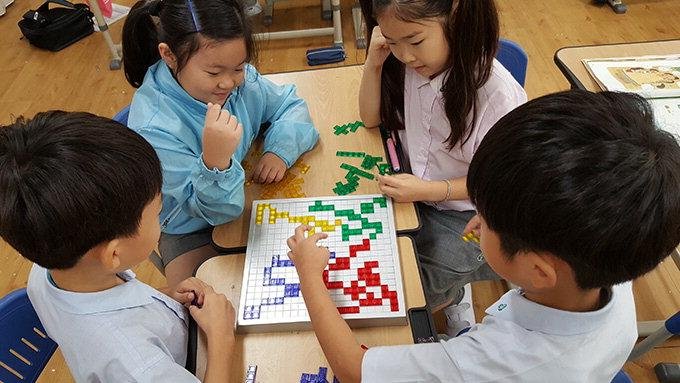
Games naturally increase attention levels, making it easier for teachers to introduce new concepts and reinforce previous lessons. They also help reduce classroom stress and keep students energized during long learning sessions.
Benefits of Using Classroom Games
Adding games to daily lessons offers advantages that go beyond entertainment. Students develop important academic and social skills while remaining engaged throughout the activity.
Some of the biggest benefits include:
- Improving critical thinking and problem-solving skills.
- Encouraging teamwork and cooperation.
- Building confidence through active participation.
- Strengthening communication and listening abilities.
- Increasing classroom engagement and motivation.
- Supporting physical movement during learning.
- Helping students retain information more effectively.
These benefits make classroom games valuable tools for creating a balanced and enjoyable learning environment.
Interactive Games That Students Love
Different games suit different age groups and learning objectives. Choosing activities based on your students’ needs keeps lessons fresh and exciting.
Team Challenge Games
Group-based activities encourage students to collaborate while completing shared goals. Teachers can divide the class into small teams and organize quizzes, vocabulary races, or creative problem-solving tasks. Friendly competition often motivates students to participate more actively without creating unnecessary pressure.
Silent Communication Games
Quiet games are ideal when the classroom needs to settle down while remaining engaged. Activities that involve gestures, expressions, or silent ball-style challenges improve concentration, observation, and non-verbal communication skills.
Movement-Based Activities
Students spend many hours sitting during lessons, so movement games provide a healthy break. Activities involving simple stretching, classroom obstacle paths, or quick action challenges help improve focus while allowing students to release extra energy in a safe way.
Classroom Games for Learning
Educational games can easily be connected to different school subjects. Instead of treating games as separate activities, teachers can integrate them into everyday lessons.
Language classes may include word-building competitions, storytelling games, or vocabulary challenges. Mathematics lessons become more exciting through number puzzles, mental math races, or place value activities. Science and social studies can also benefit from interactive quizzes, matching games, and collaborative projects that encourage discussion and creative thinking.
Using games as teaching tools allows students to learn naturally while staying actively involved in the lesson.
Tips for Choosing the Right Classroom Games
Every classroom has different learning styles and energy levels. Selecting the right activity helps teachers achieve better educational outcomes.
Keep these factors in mind:
- Match the game to the students’ age group.
- Set clear rules before starting.
- Choose activities that encourage participation from everyone.
- Balance fun with educational objectives.
- Keep instructions simple and easy to understand.
- Adjust game length according to available class time.
- Encourage positive teamwork instead of excessive competition.
Thoughtful planning ensures every activity supports learning while keeping students interested.
Creating a Positive Learning Environment
Classroom games help build stronger relationships between students and teachers. Working together during enjoyable activities encourages respect, cooperation, and mutual support. Students become more willing to ask questions, express ideas, and participate in classroom discussions.
Games also provide opportunities for shy learners to contribute without feeling overwhelmed. As confidence grows, students often become more active in other classroom activities as well.
A positive classroom environment supports both academic success and emotional development, making learning more enjoyable for everyone.
Common Mistakes to Avoid
Although classroom games are highly effective, proper planning is important. Activities that are too complicated or unrelated to learning goals can reduce their educational value.
Teachers should avoid selecting games that exclude certain students or create unnecessary frustration. Clear instructions, fair participation, and appropriate time management help ensure every student enjoys the experience while achieving the intended learning outcomes.
Conclusion
Classroom games are much more than simple entertainment. They encourage active learning, improve communication, strengthen teamwork, and help students develop valuable academic and social skills. By combining education with creativity, teachers can create lessons that students genuinely enjoy and remember. Whether using movement activities, group challenges, or educational quizzes, incorporating classroom games into daily teaching can make every classroom more engaging, productive, and enjoyable for learners of all ages.